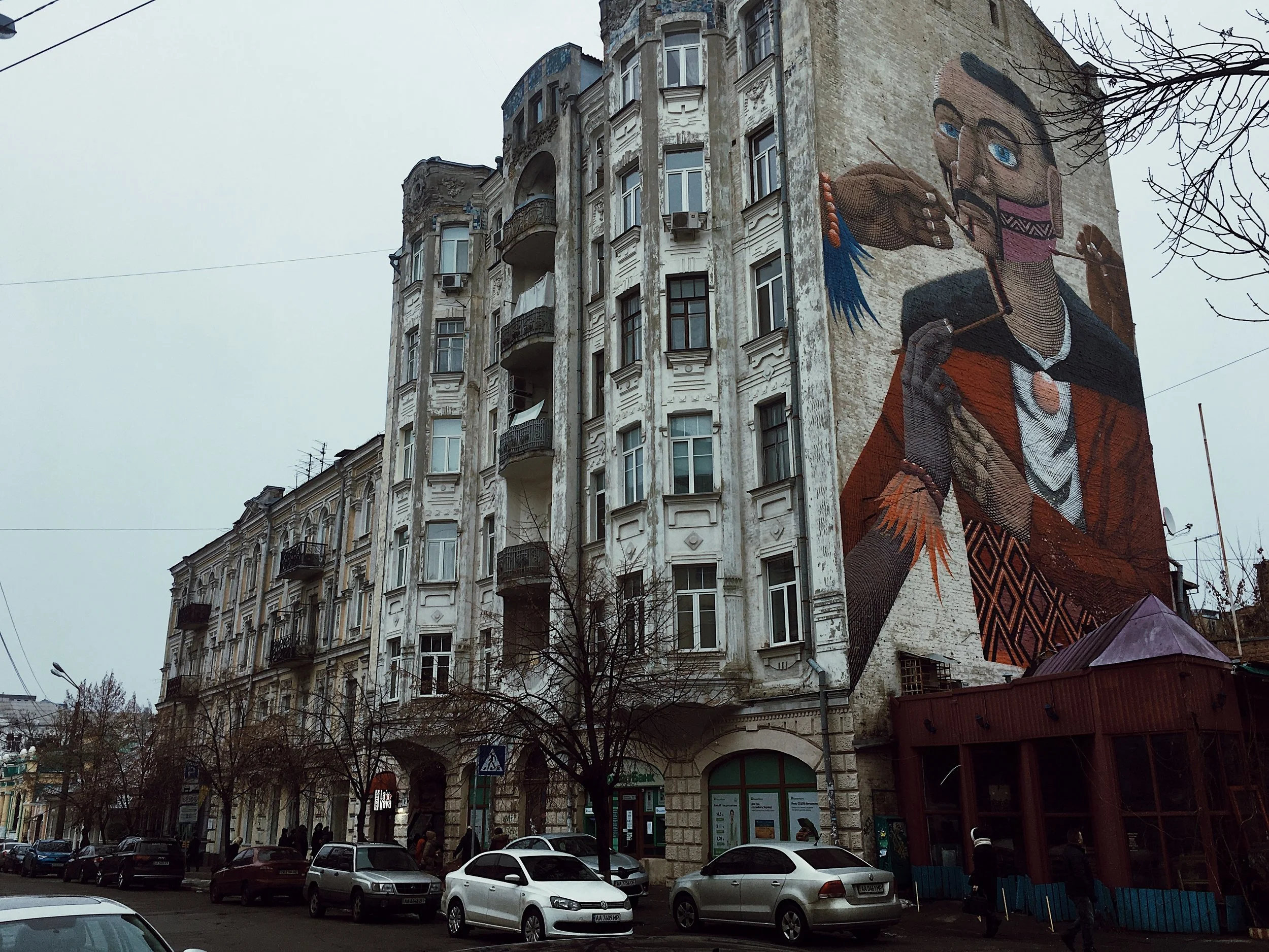
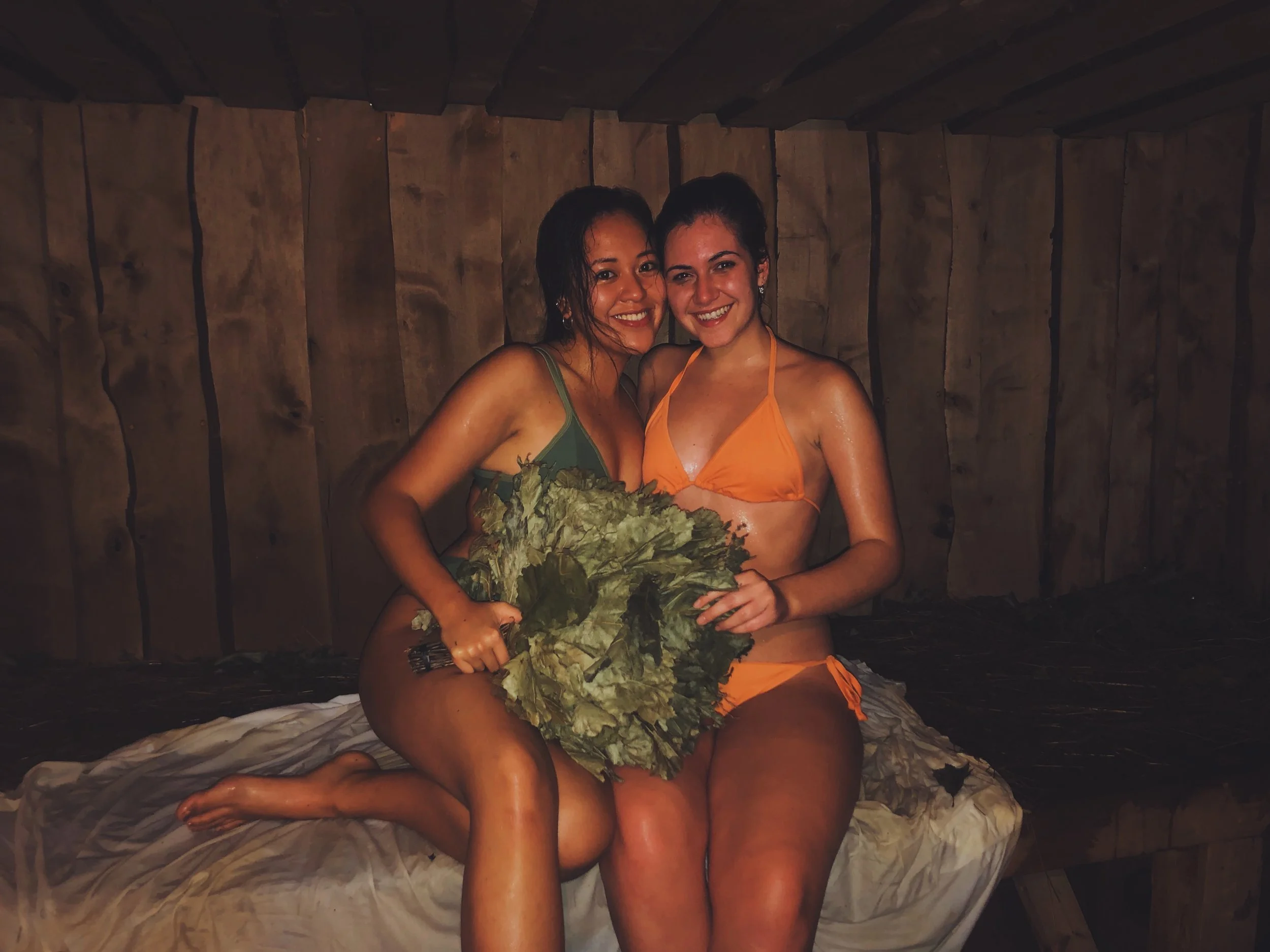
How Ukraine Shaped My Approach

I entered graduate school with one clear goal: to become a beat reporter. By the time I enrolled, I was already working at local papers, reporting on food security, and eager to dive deeper into the field. I wanted to be in the thick of it — talking to people, navigating unfamiliar environments, and embracing the unpredictability that came with investigative journalism.
So when an opportunity came up to take a course with a potential trip to Ukraine in 2018, I knew it was an offer I couldn’t pass up. The course had a compelling hook: if your work was strong enough, you might earn a spot on the trip. It was the perfect combination of my passion for investigative reporting and the excitement of international exposure.
The lead-up to the trip was intense. I spent months poring over public records, coordinating with translators in Ukrainian and Russian, and interviewing Eastern Europeans abroad. There was the logistical challenge of planning an entire reportage itinerary, and the constant hustle to make sure every detail was covered. But when I finally learned I had been selected, the excitement was palpable — the kind that comes from assignments with both high stakes and the chance to uncover something hidden.
The assignment seemed straightforward: A profile of a charity doing meaningful work in Eastern Europe. There would be publication, credibility, and the satisfaction of investigative journalism. But what I didn’t anticipate was how this trip would reshape my approach to documentary photography.

Kyiv: Leaning into intimacy
I covered the work of Mercy Projects, an international nonprofit supporting vulnerable families, foster homes, and orphans across Ukraine. At the time, the armed conflict in the east was already in full force, and families were grappling with the consequences of forced relocation, parental loss, and financial ruin. Mercy Projects was helping them rebuild from the wreckage.
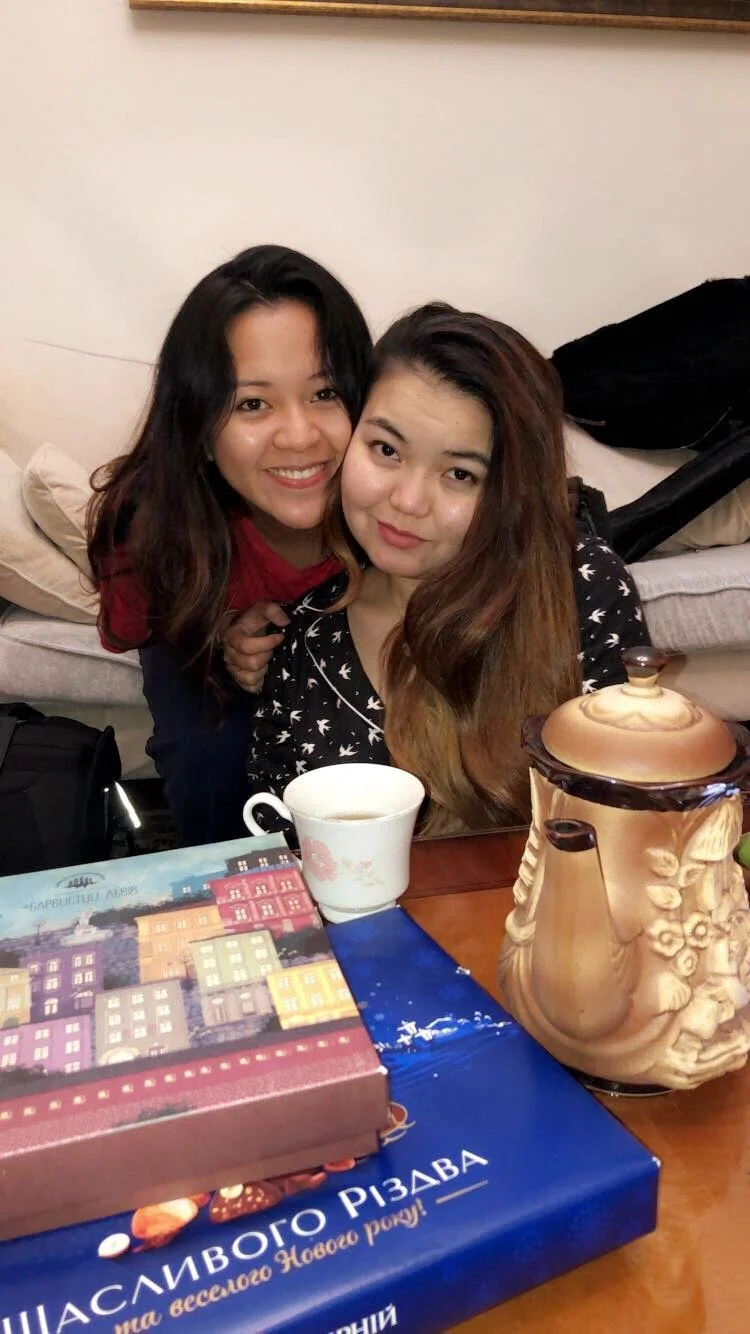
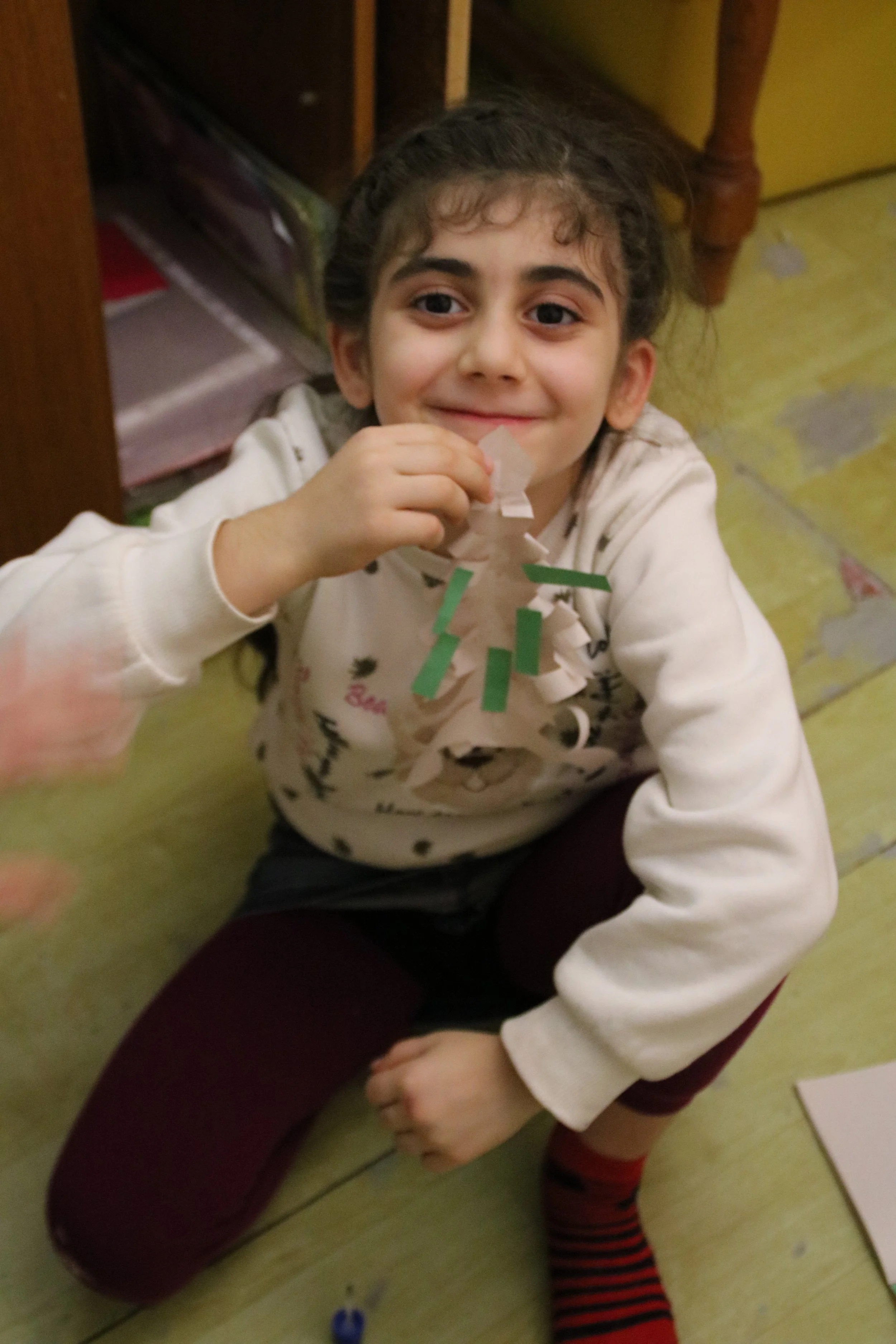
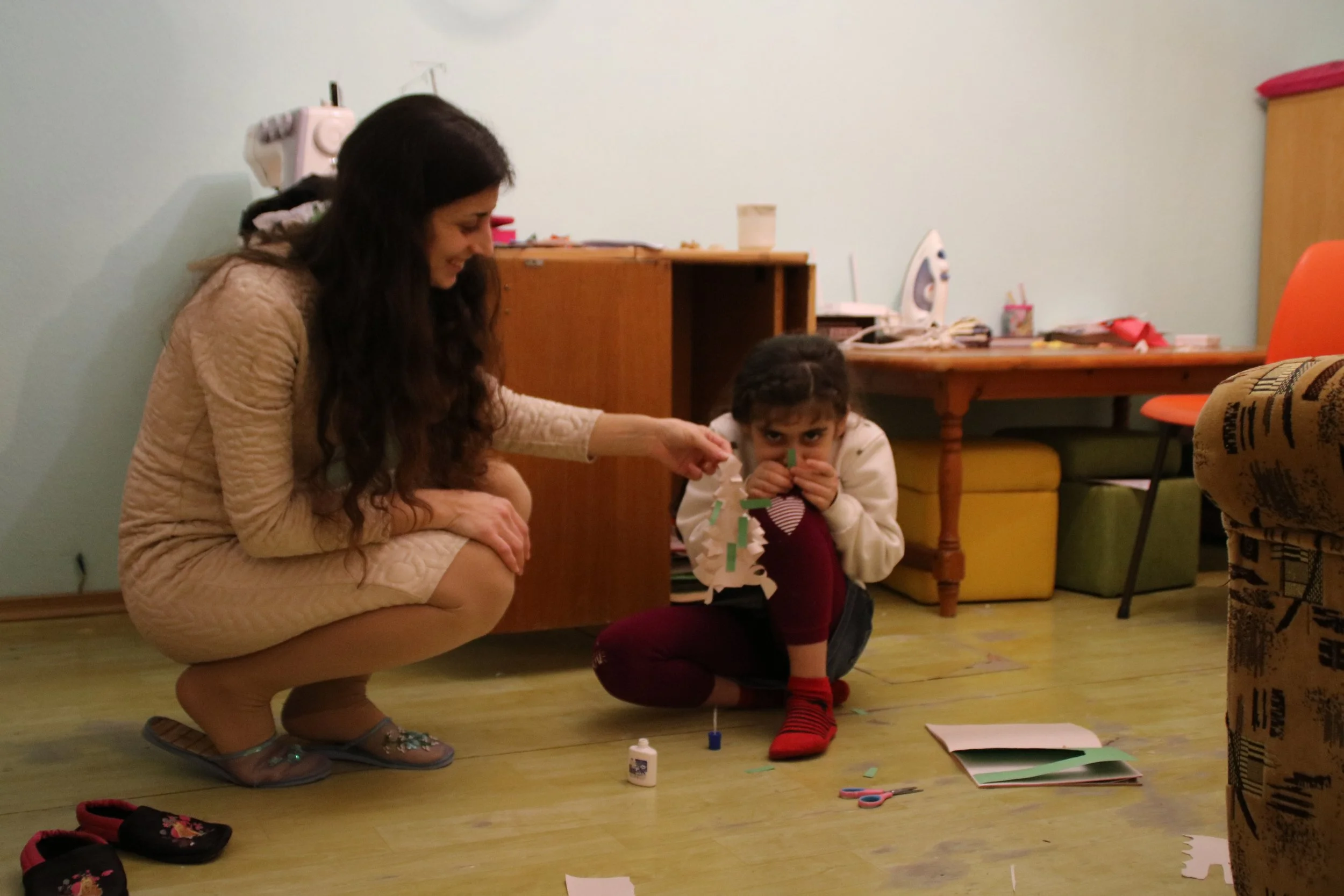
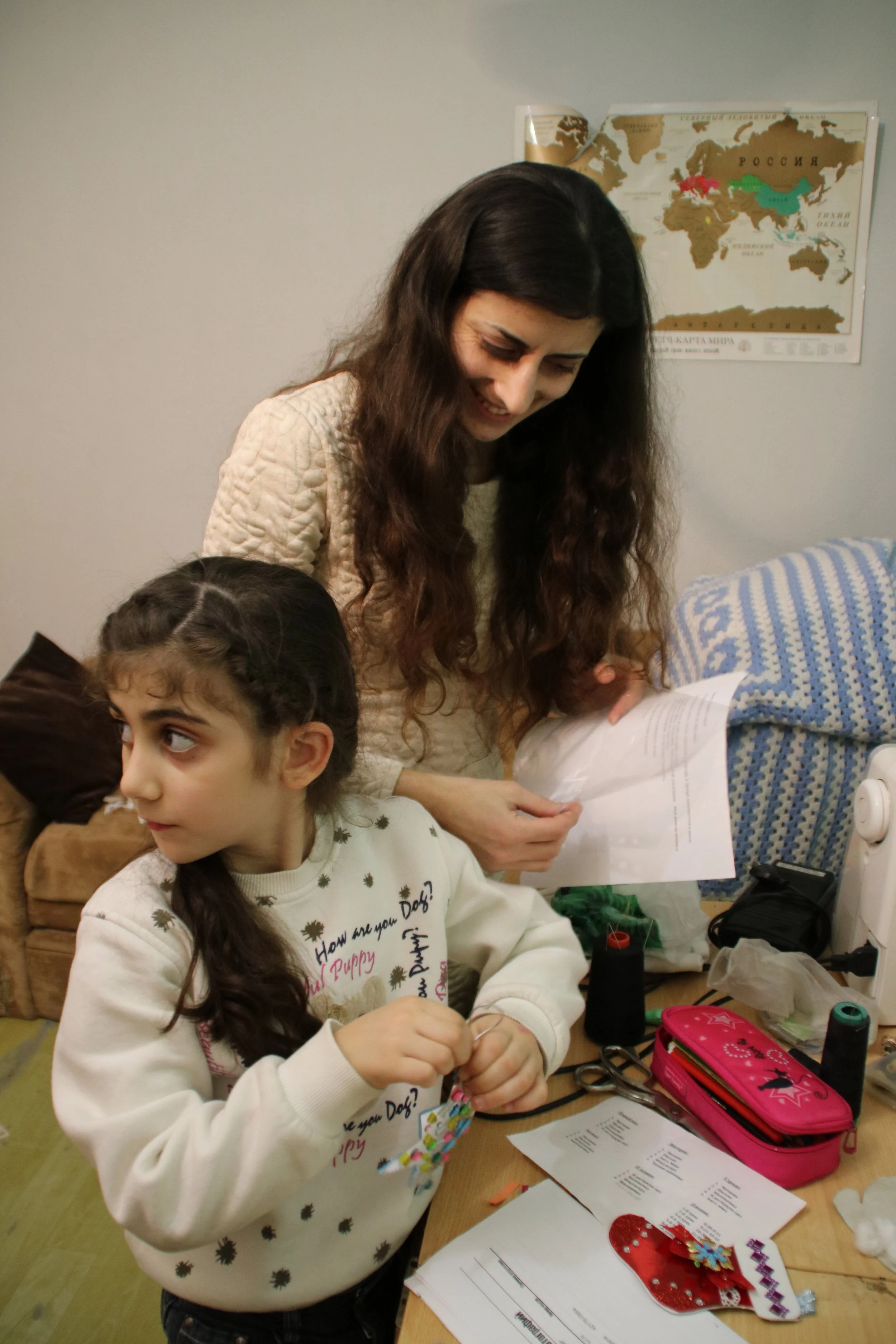
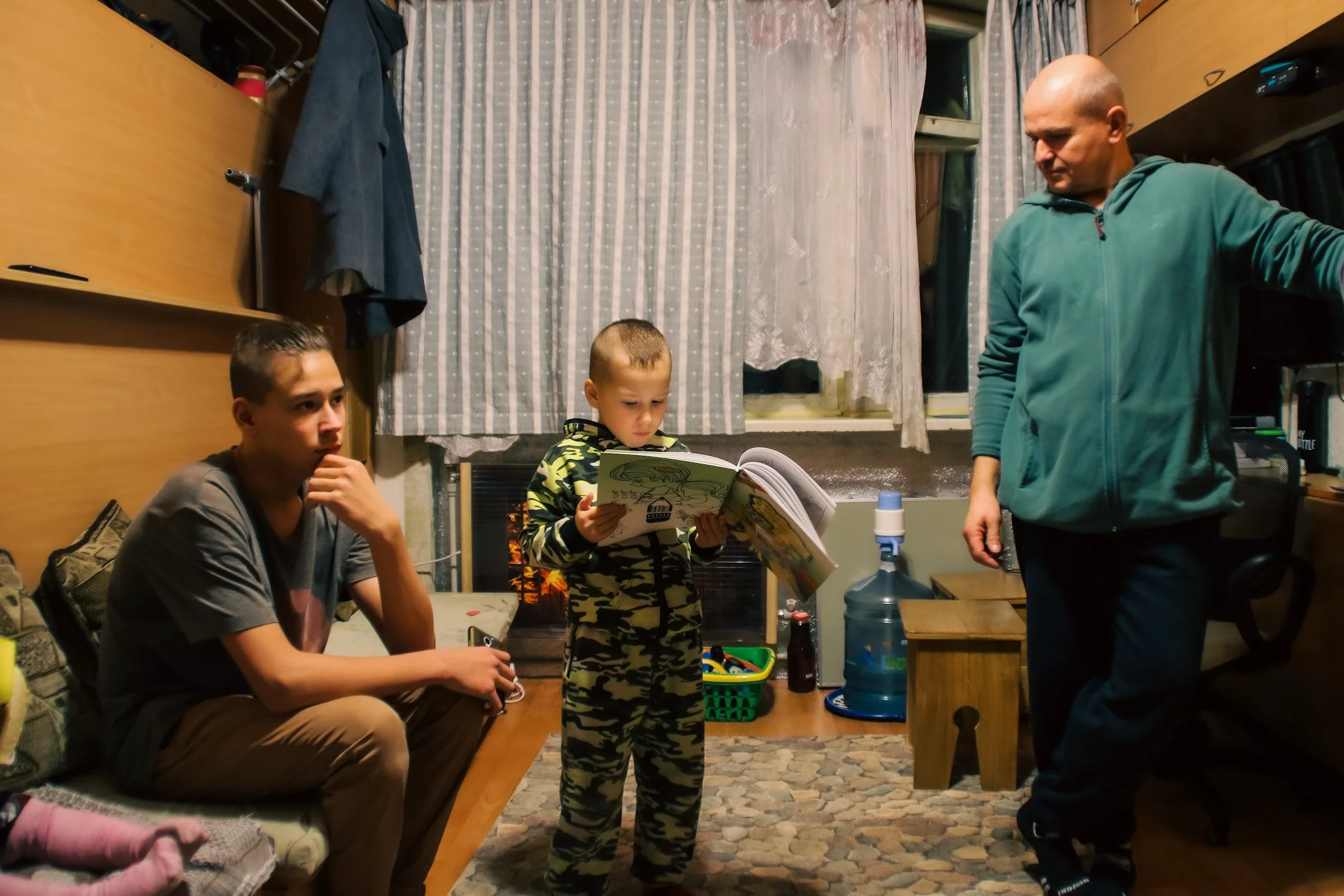
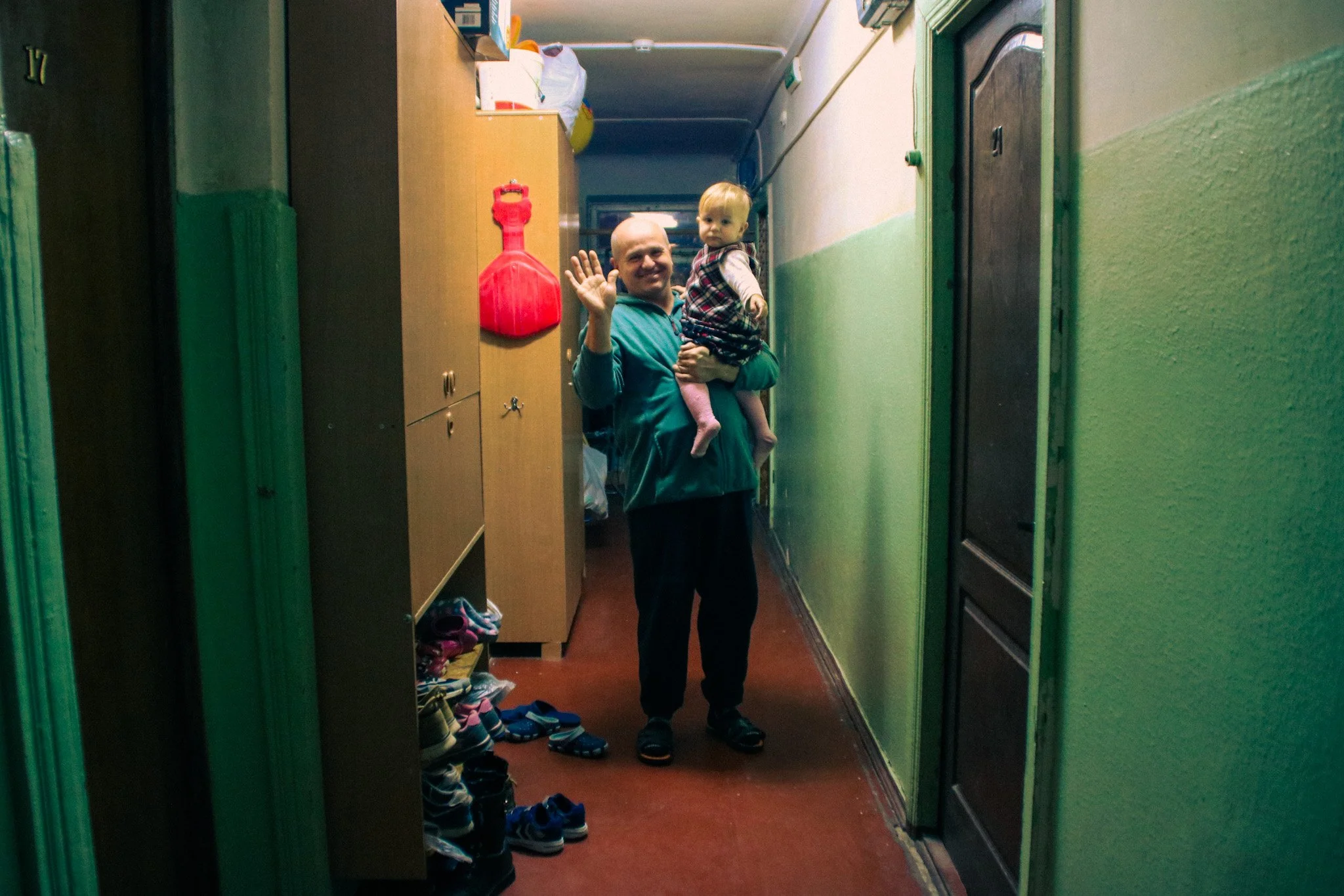
Despite language barriers, I managed to find the families myself. They welcomed me into their homes with a generosity I’ll never forget. But one family— Nadia and Sergiy Oliynyk — taught me something essential about documentary work. They lived with their children in a 190-square-foot apartment in Kyiv. Six people. Cabinet beds folded down from the walls each evening to make room for everyone. Sergiy, who is deaf, worked two part-time jobs. The apartment was meticulously kept, but there was no space to maintain any distance or objectivity. The physical proximity was overwhelming—there was only the constant intimacy of living.
At first, I approached the assignment the way I had been taught in school. I asked questions, took notes, observed. But the reality was far more complicated. The cramped quarters didn’t just restrict my movements — they became the visual architecture of the story. Every time I raised my camera, I was acutely aware of how much space I was taking up in a home that could scarcely afford it. Each click of the shutter felt like a disruption.
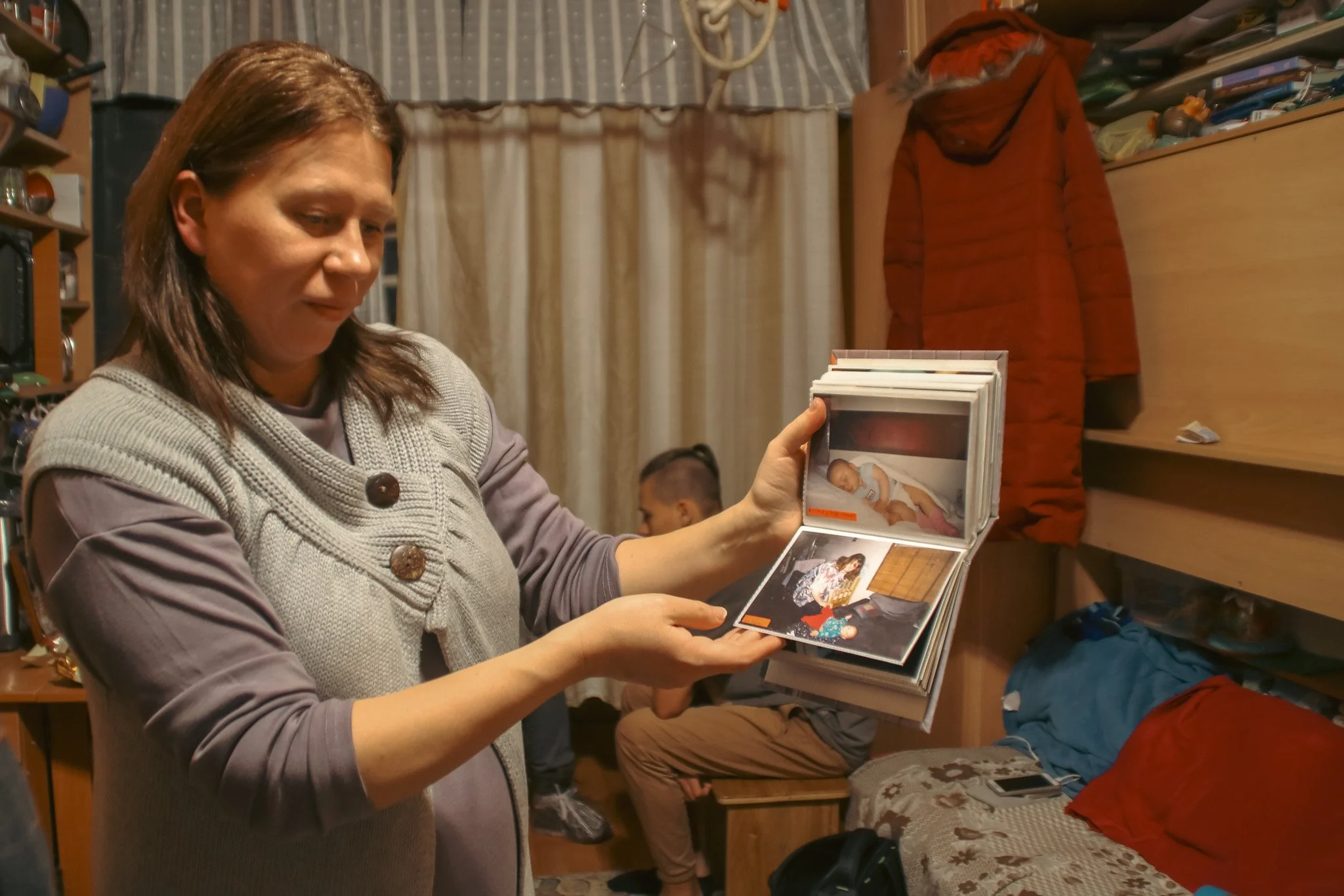
I realized quickly: this wasn’t the time for pre-planned shot lists. I couldn’t simply stage a moment. I had to be present in the experience. I played with the children, asked Nadia to show me the family albums she was so proud of. I witnessed Sergiy unlocking the cabinet beds each evening — his practiced efficiency in a space where every movement mattered. And then, when it felt right, I’d take the shot. Sergiy’s deafness added another layer of complexity. My translator could handle both Ukrainian and Russian, but with Sergiy, it was all about gestures, facial expressions, and patience. It slowed everything down, and I found myself observing more deeply. The limitations of the situation forced me to shift from directing to simply witnessing. This wasn’t just about technical skill—it was about emotional intelligence, sensitivity, and trust.
The true story wasn’t in the composition, but in learning how to step back and let the moments unfold naturally.

Chernobyl: Finding Beauty in the Aftermath
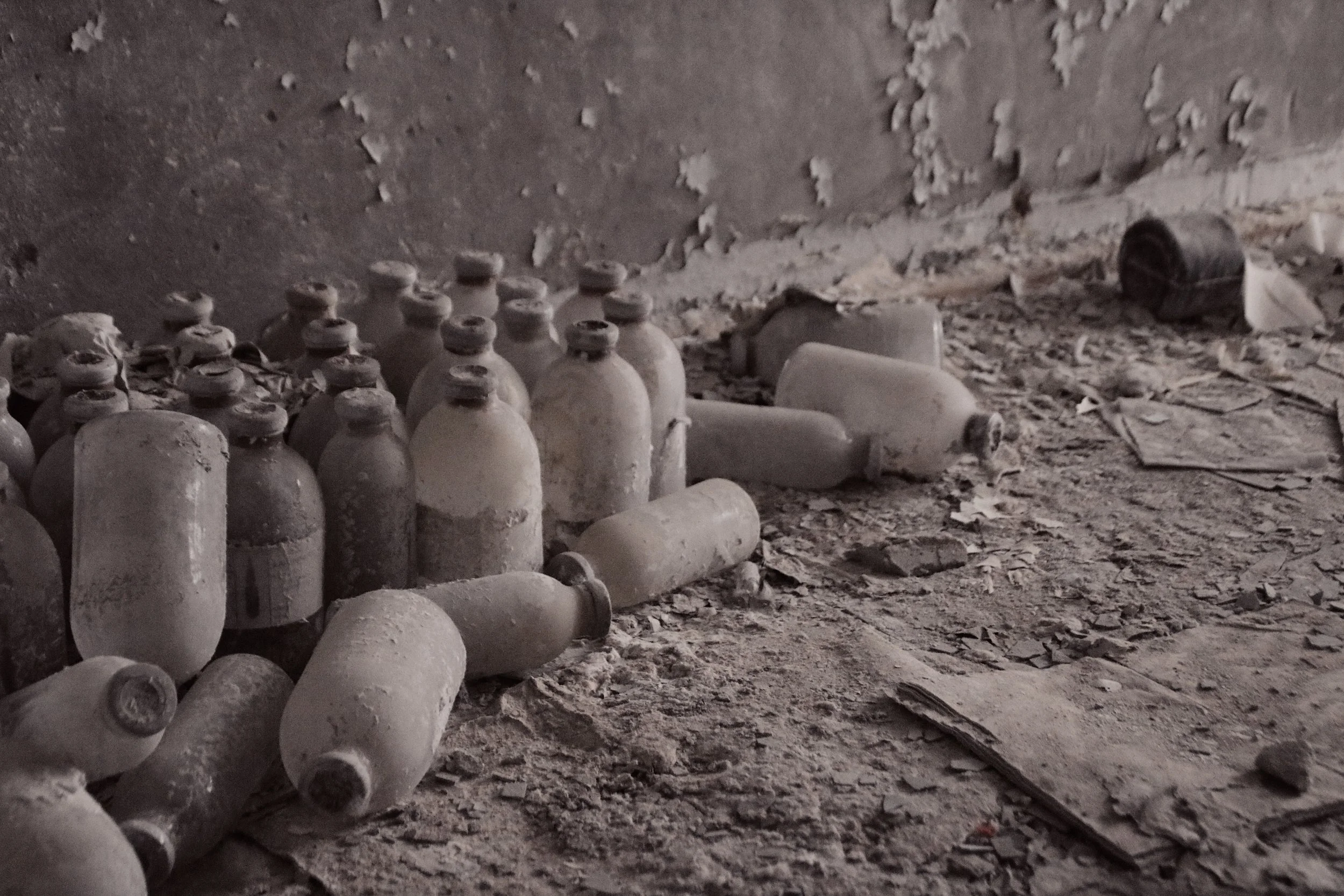
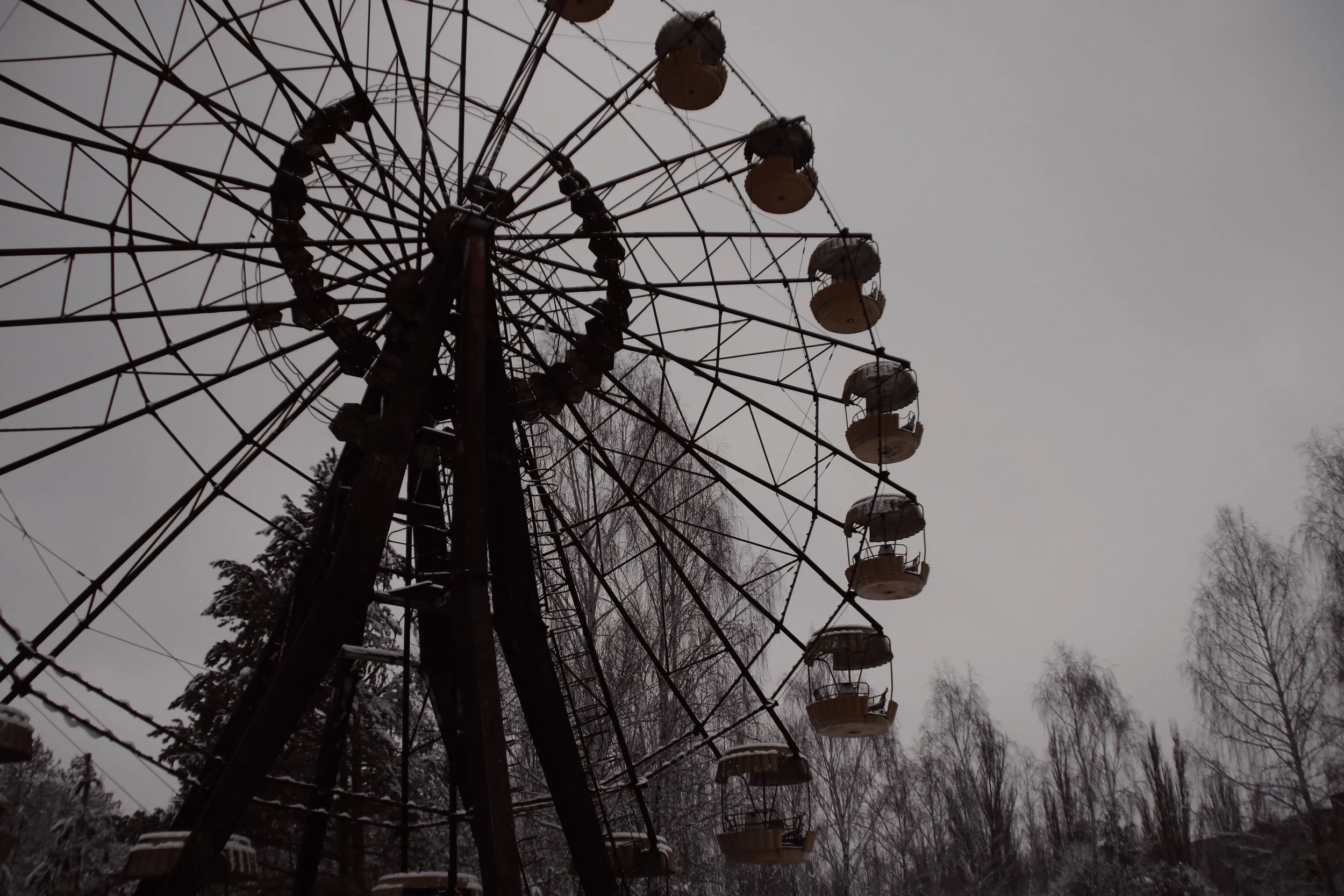
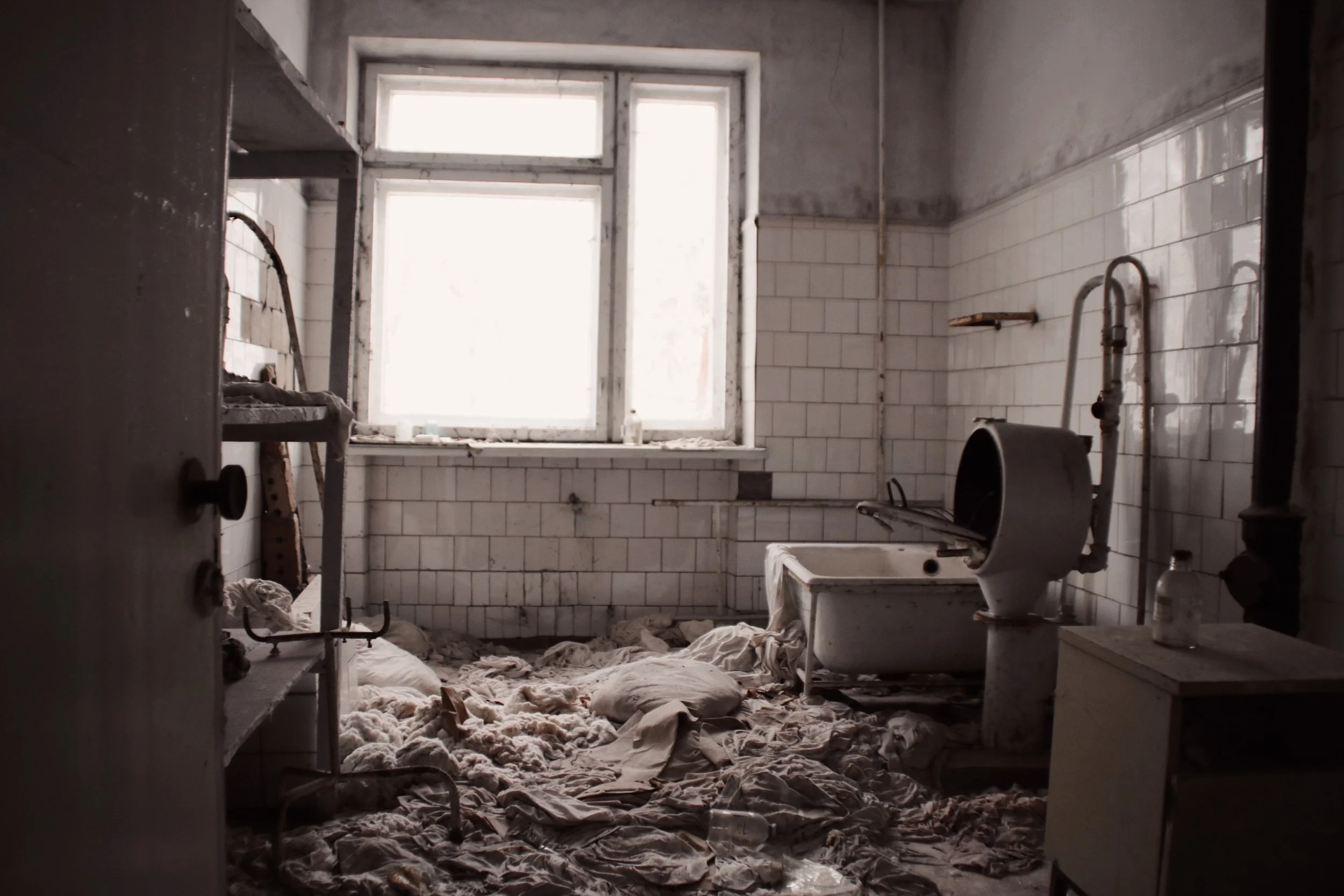
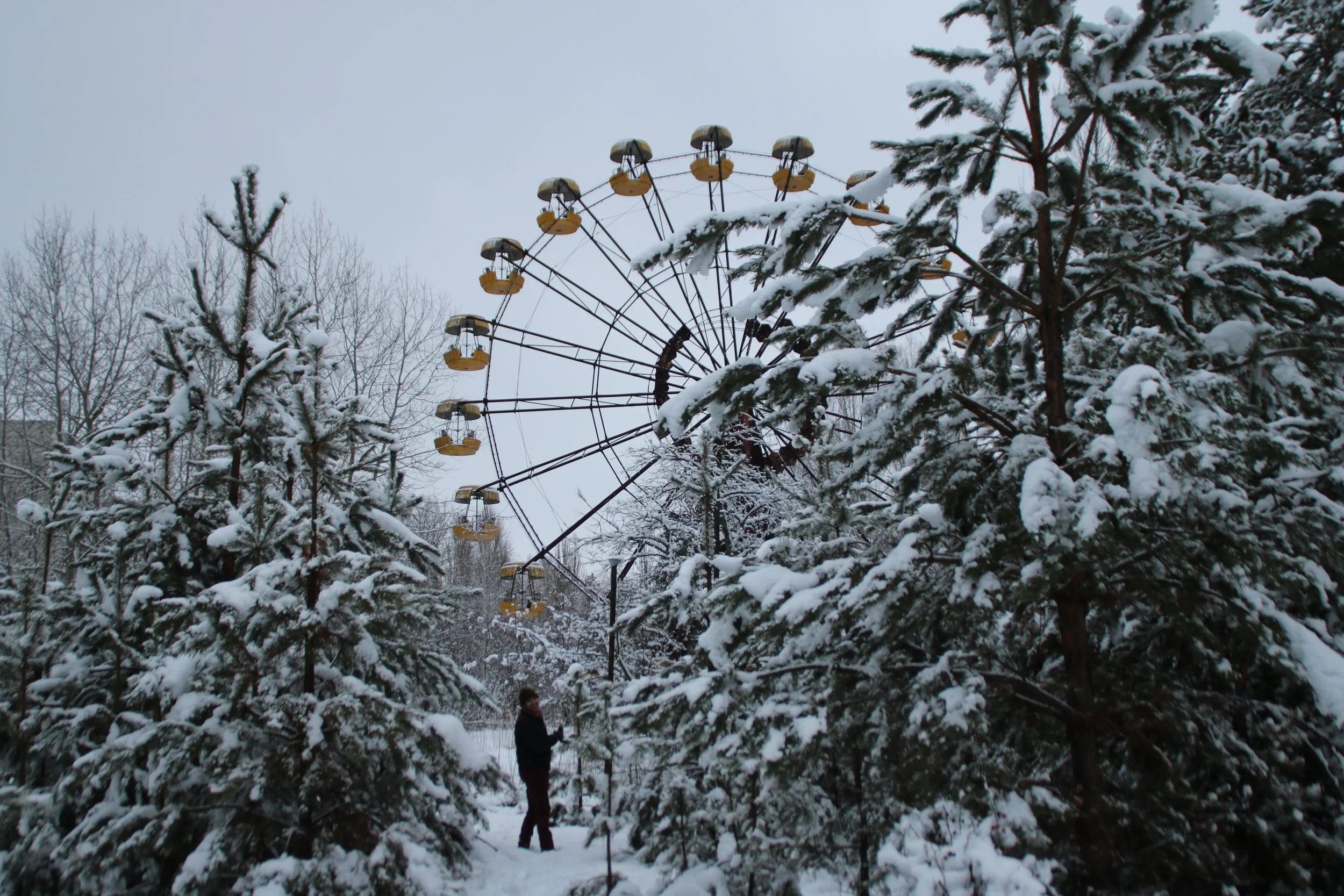
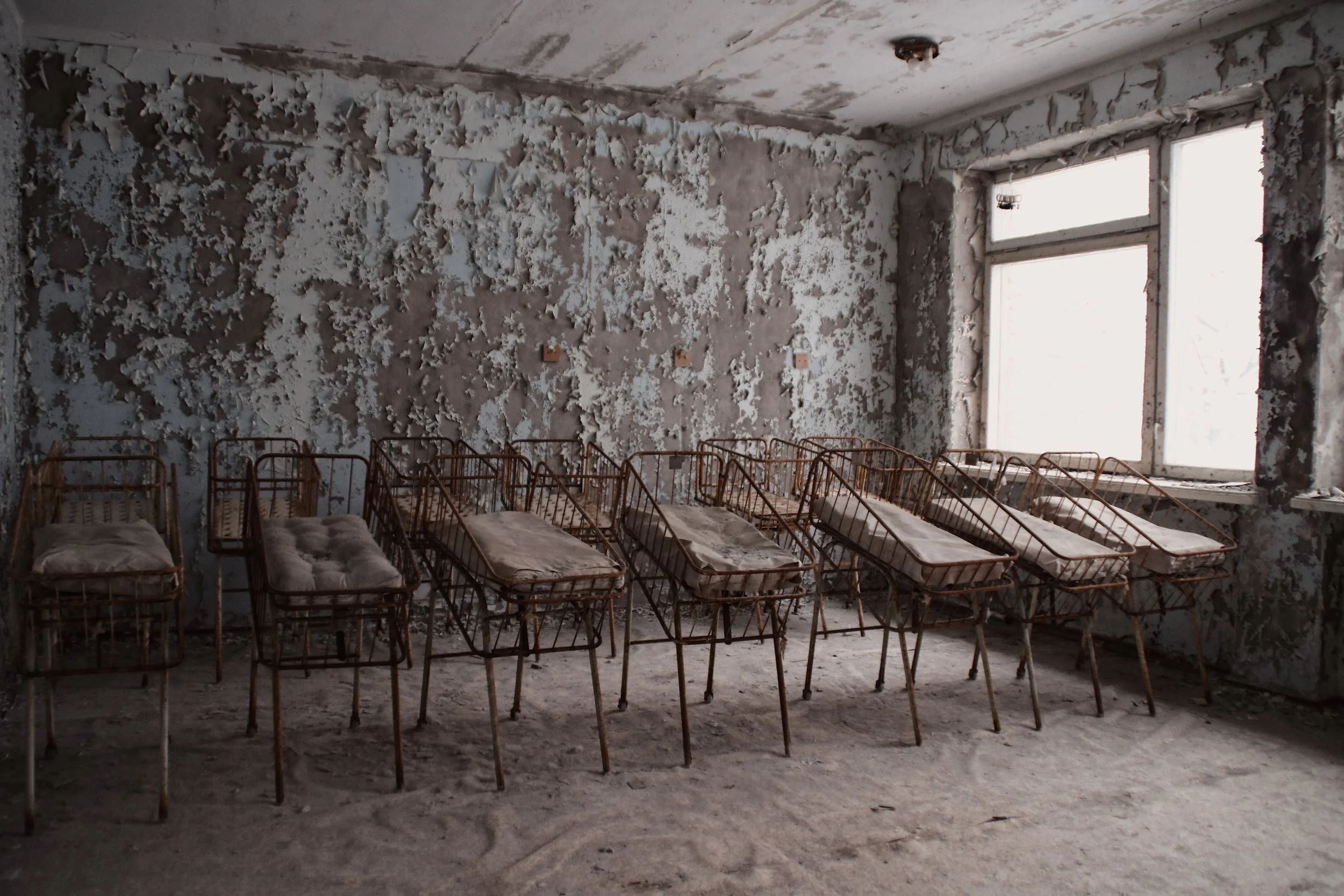
When most people think of Chernobyl, they imagine a place abandoned, ravaged by history, and left to decay. But for me, Chernobyl was a photographer’s goldmine—a place where every frame seemed to tell a story far beyond the surface. It wasn’t just a decaying landscape; it was a living testament to resilience and survival. This became my favorite part of the trip, not because it was an easy place to photograph, but because it challenged me to find life in the ruins.
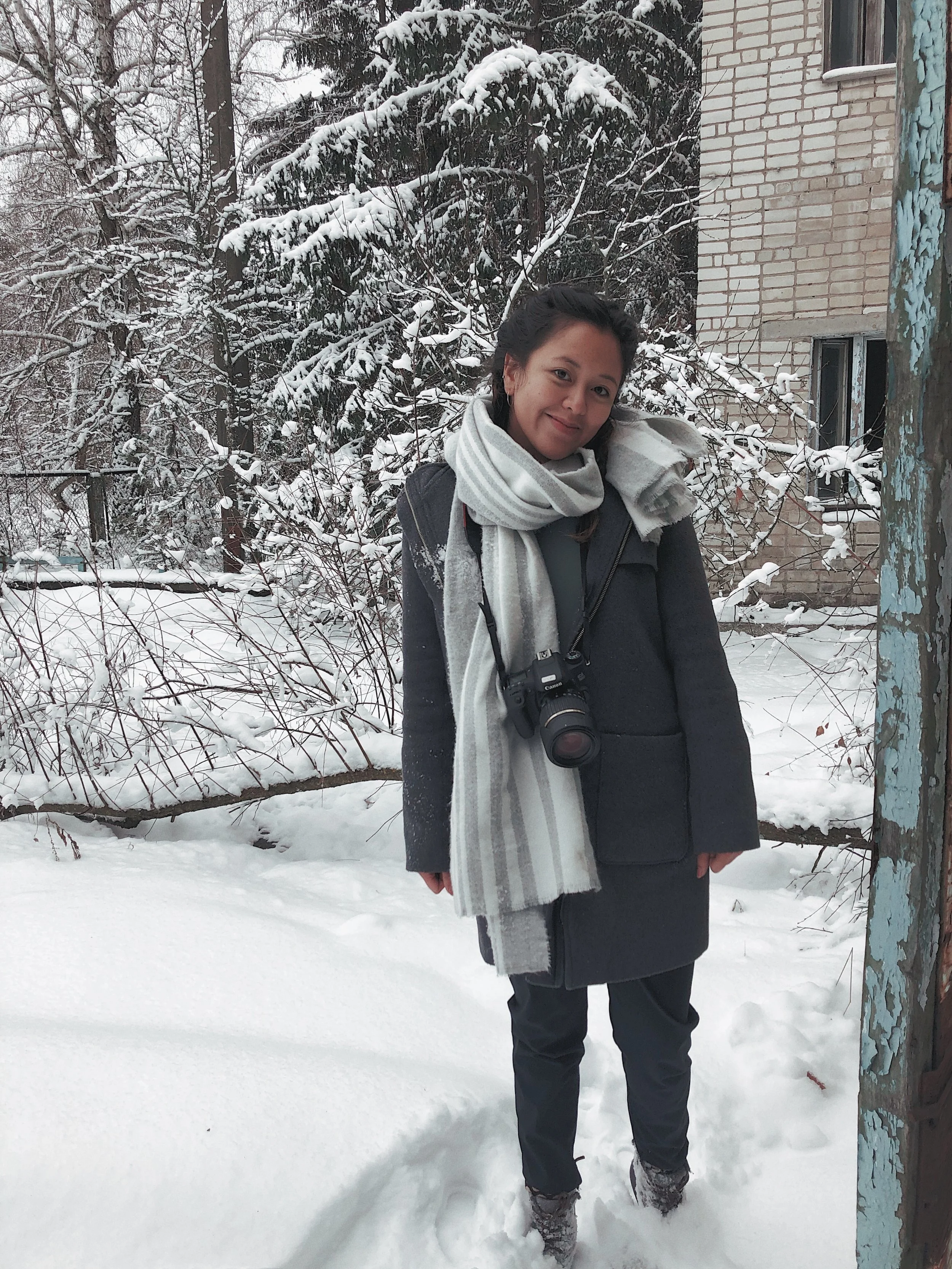
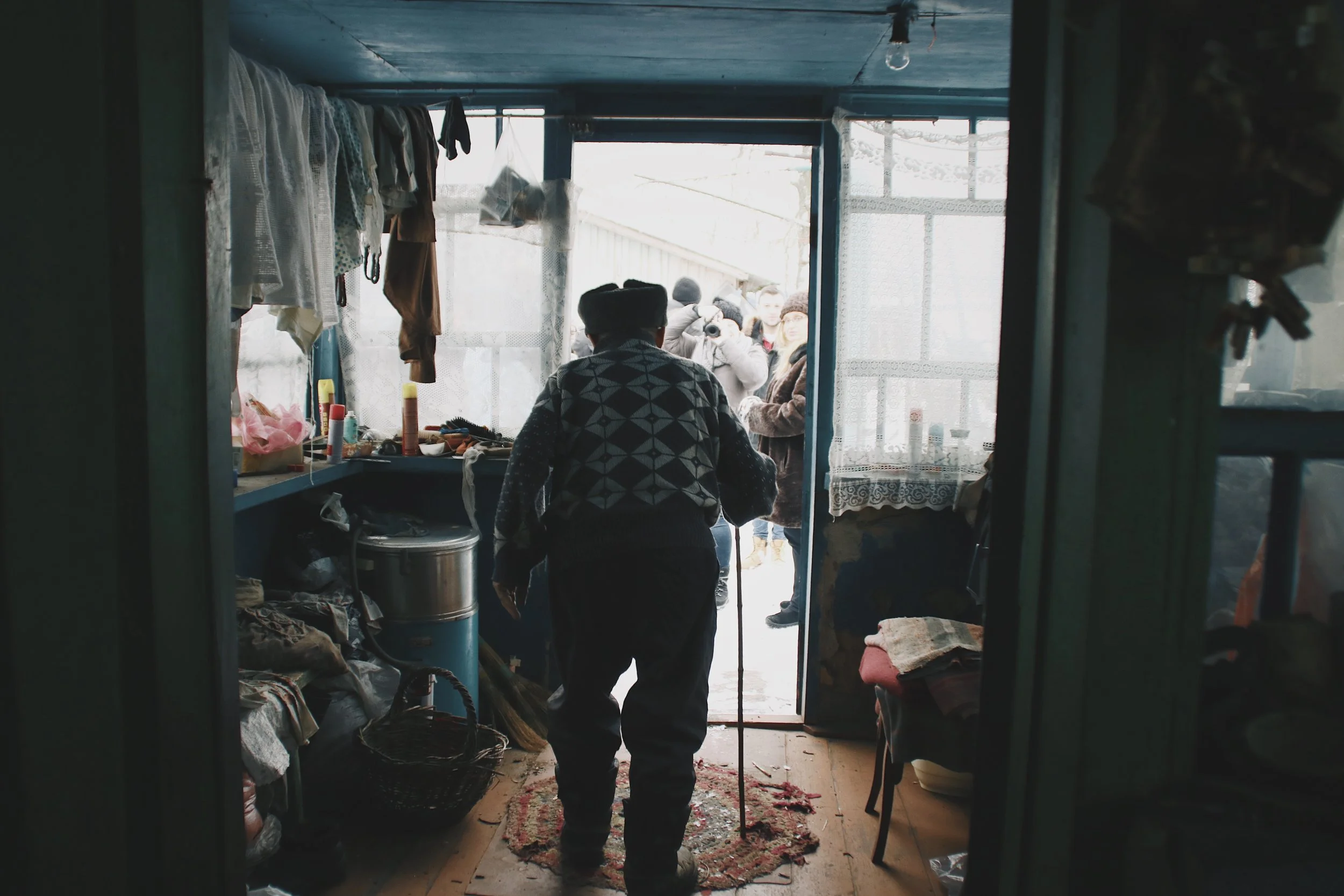
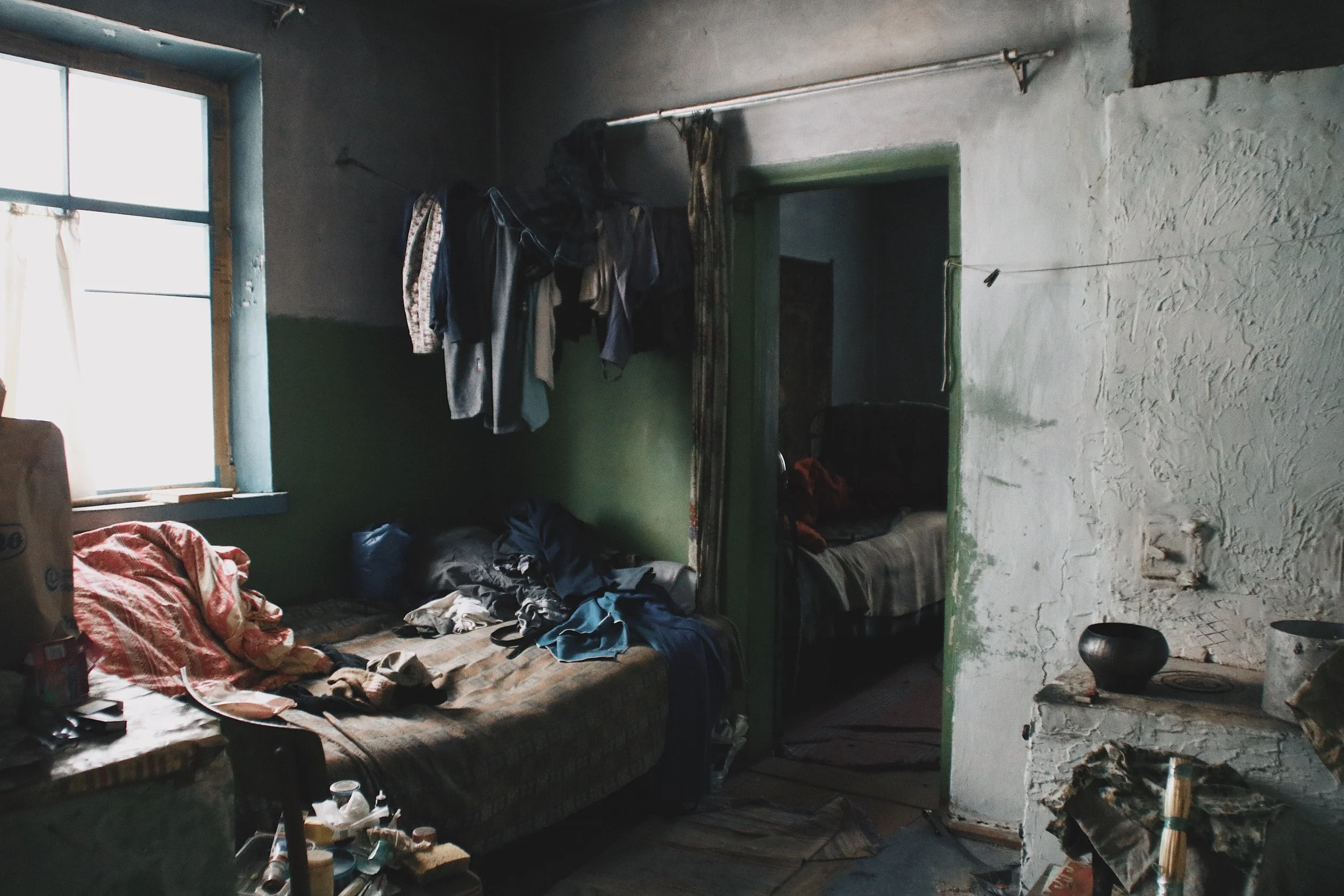
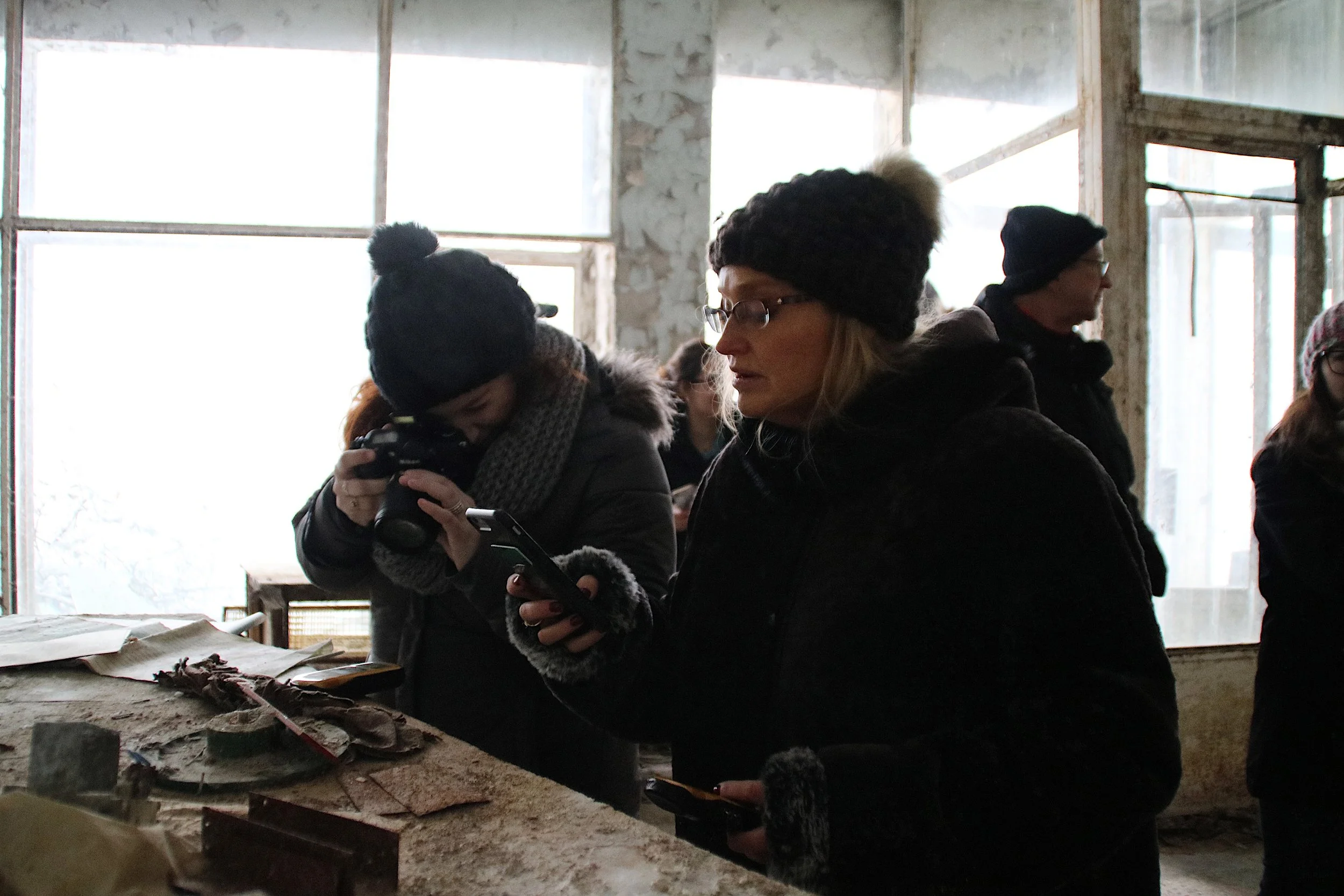
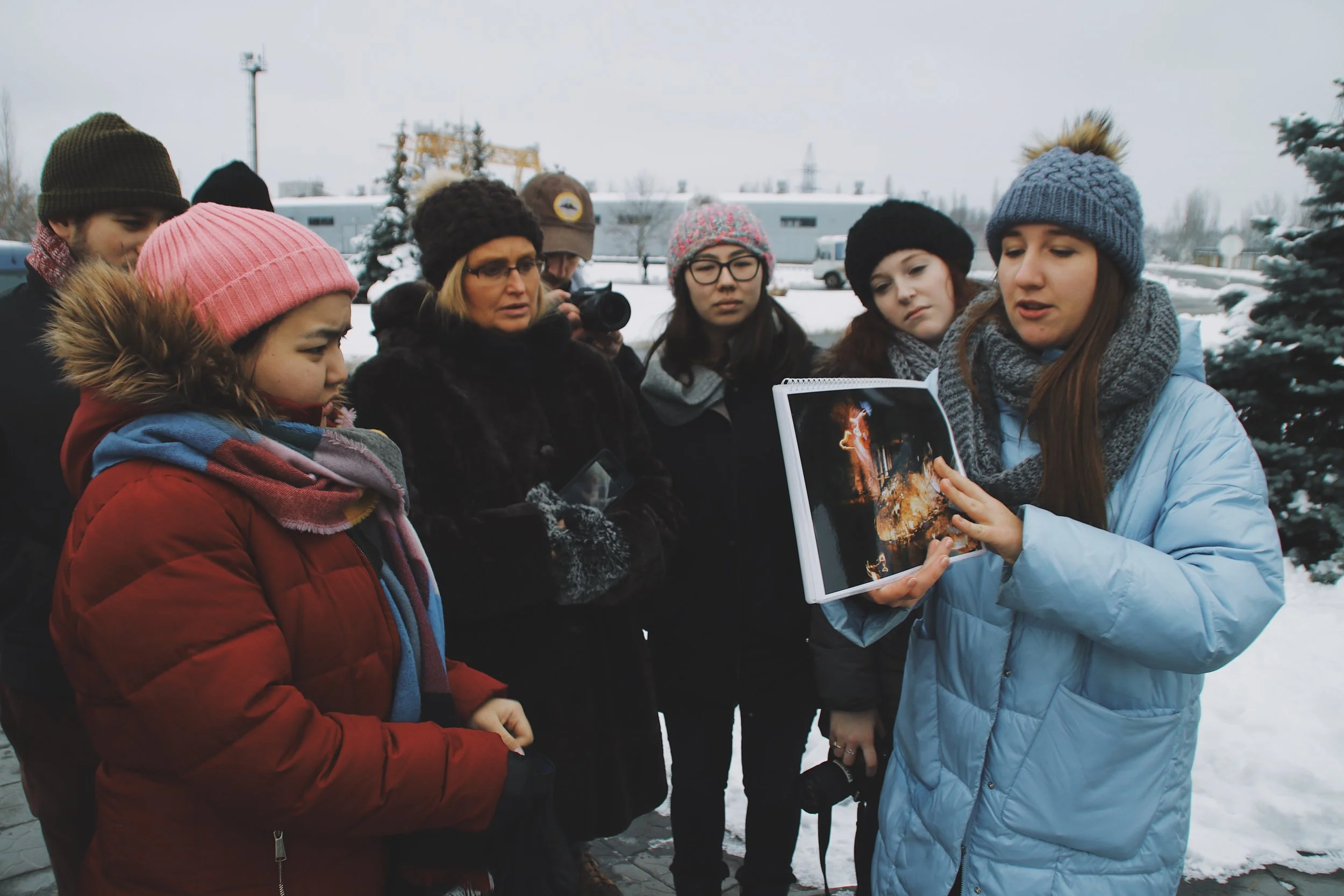
After completing some reportage in Kyiv, I traveled to Chernobyl to meet some of the 50 families that Mercy Projects was helping. I also took a tour of the area to gain a deeper understanding of how eerily alive the town still felt.
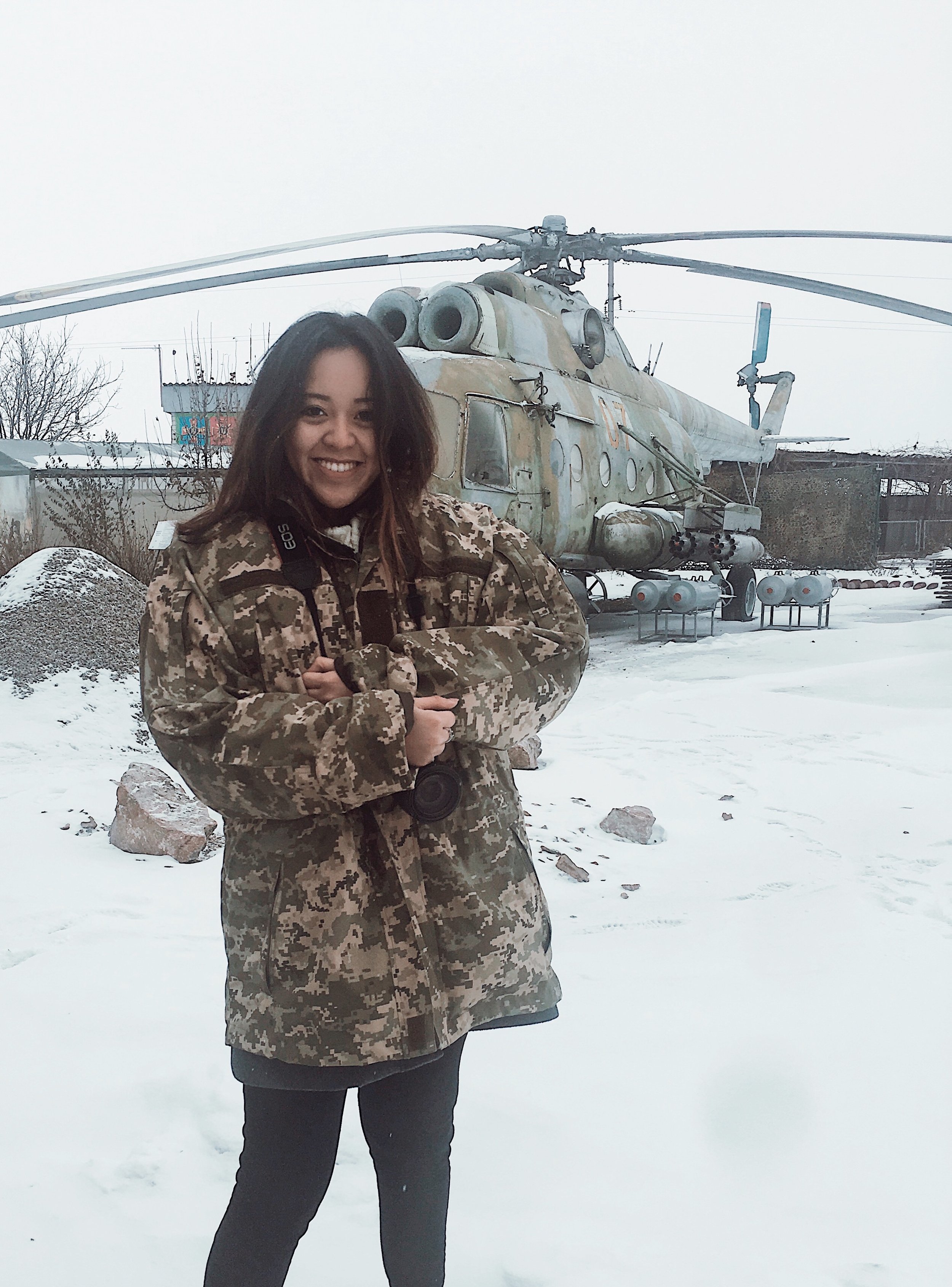
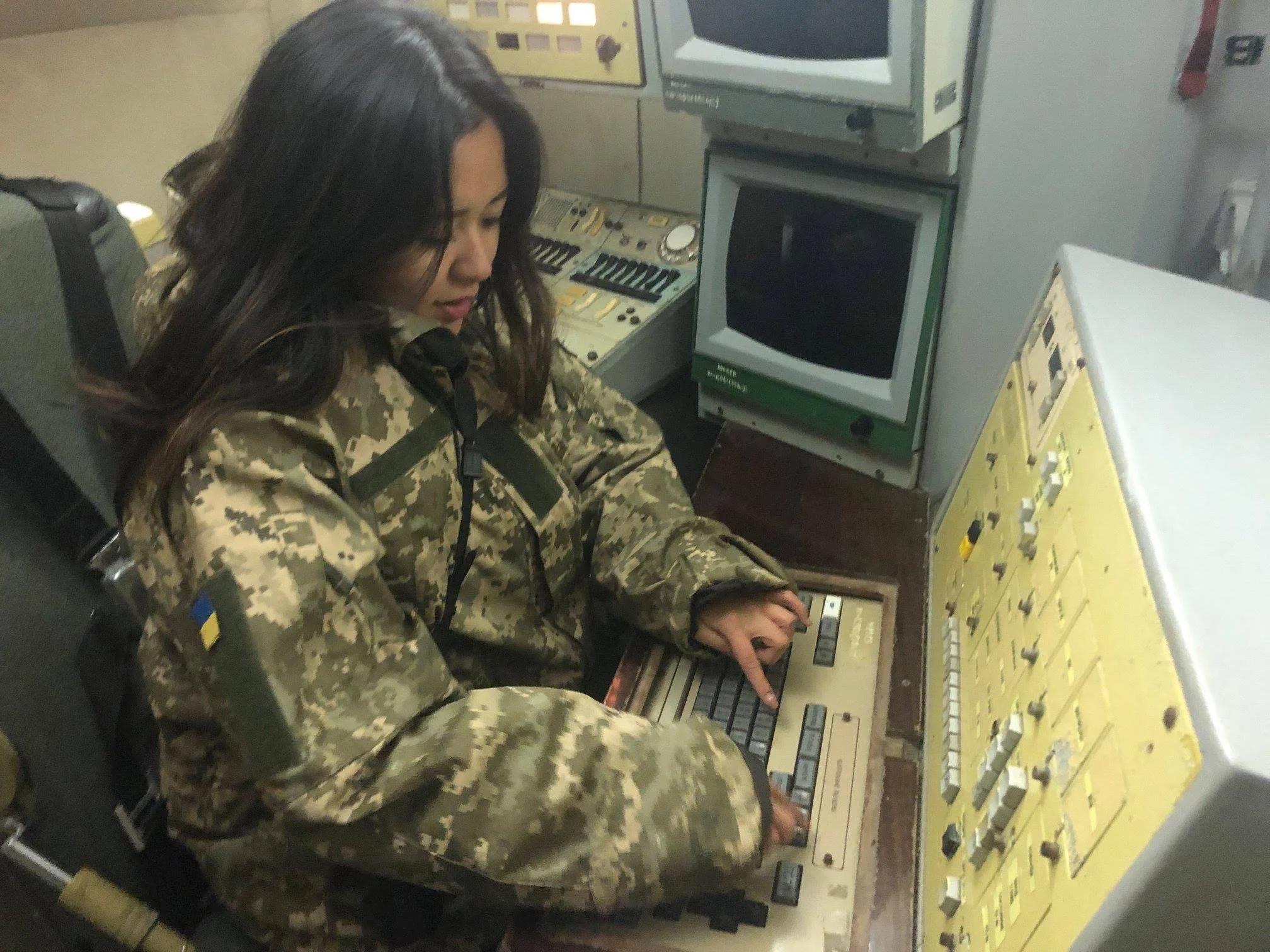
Chernobyl was beyond unsettling. It was a place where life itself seemed to have stopped growing. Trees nourished by the contaminated soil had roots that turned an unnatural red. We weren’t allowed to touch any surface—every object felt like a relic of a past too dangerous to engage with. Stray dogs wandered the ghost town, their eyes clouded and blind. To even enter the exclusion zone, I had to pass through three military checkpoints, each one testing for radiation—a constant reminder of the lingering, unseen threat.
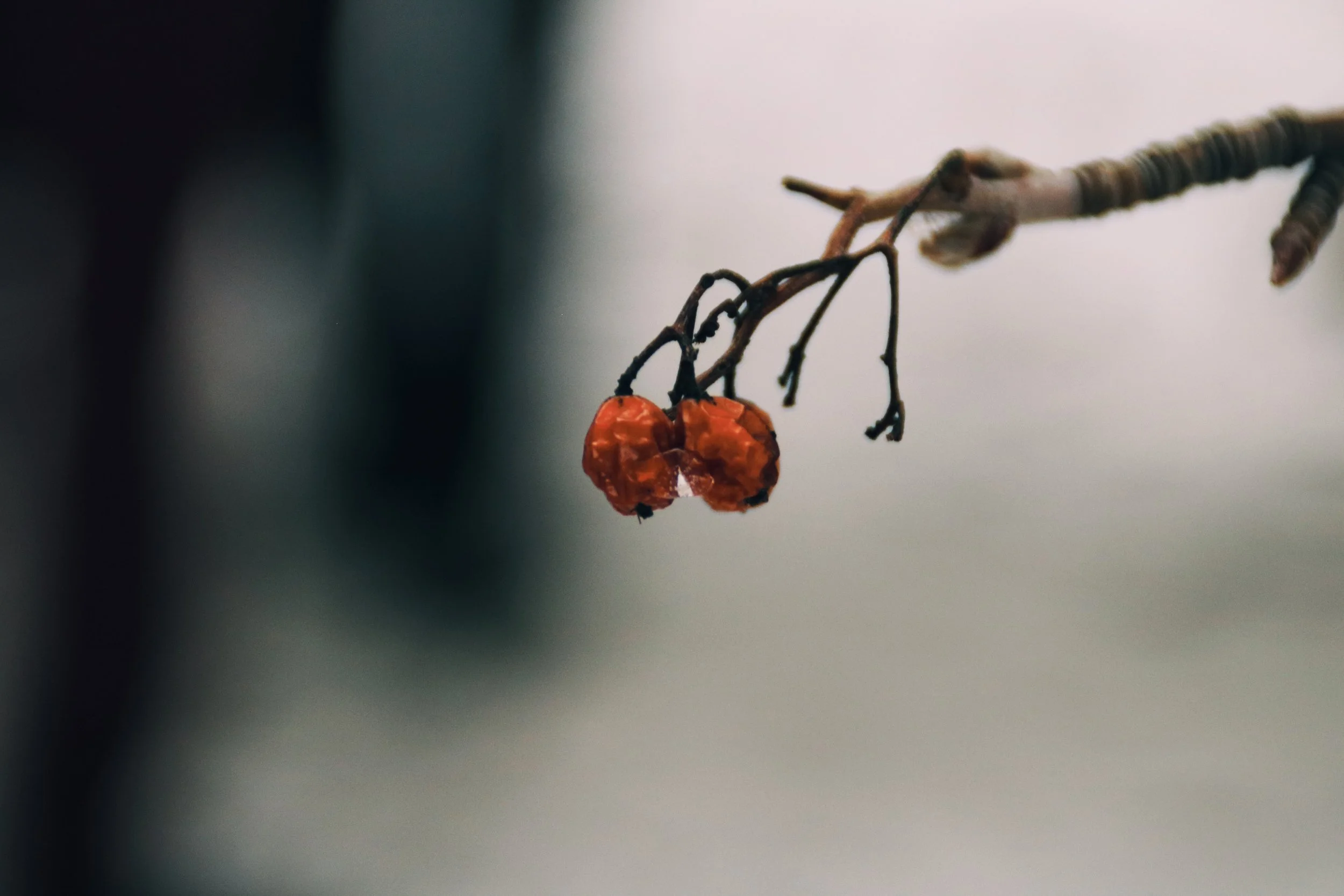
What struck me most wasn’t just the physical devastation—it was the silent persistence of life amidst the ruins. Nature had reclaimed parts of the zone, but there was still a strange, quiet beauty in the contrast.
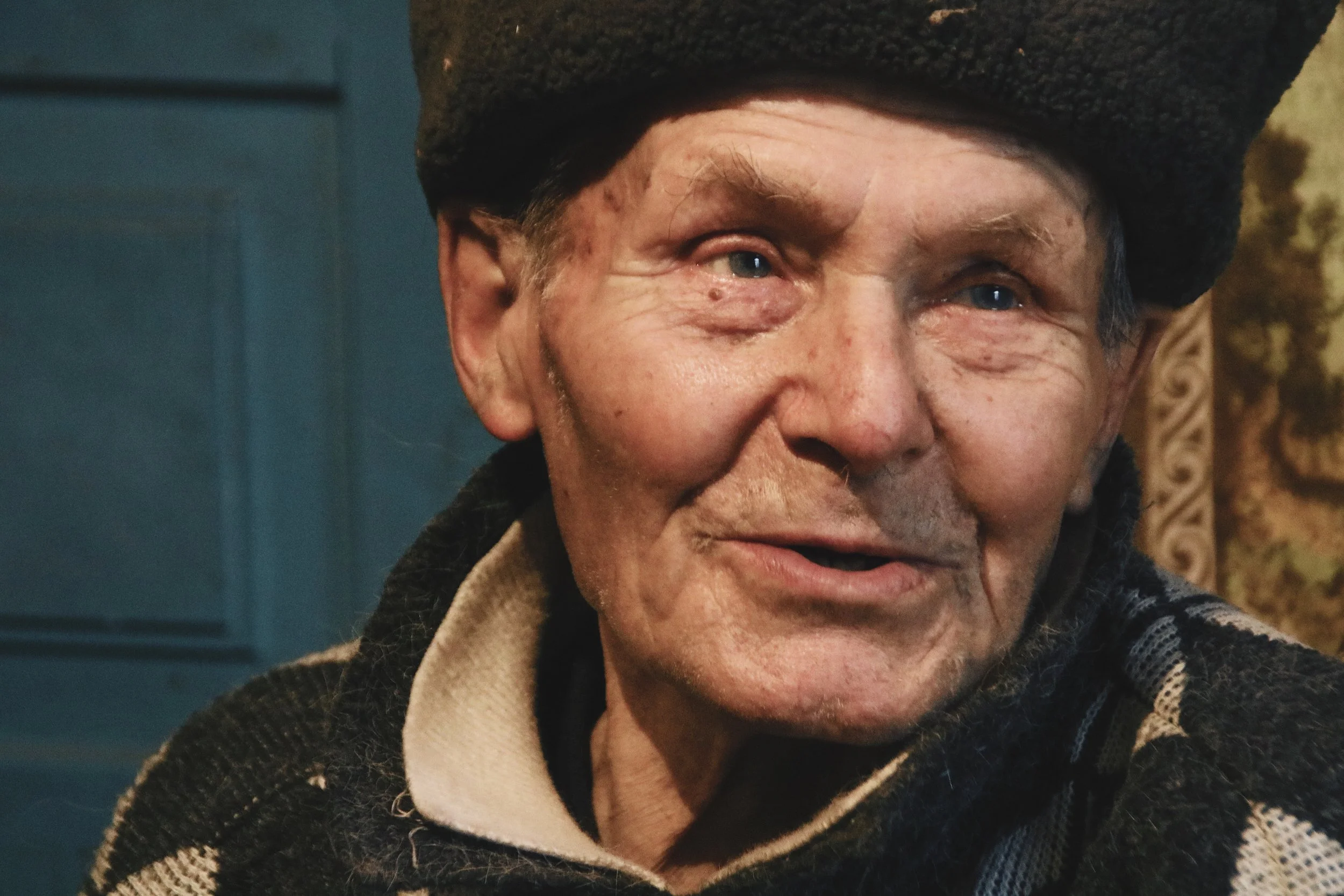
Meeting the people who remained in and around the exclusion zone added another layer to the story. These were the ones who had chosen to stay or return, despite the risks. They were a living contradiction—ghosts in a land that refused to forget them, yet they persevered, carving out lives in the shadow of catastrophe. As a photographer, I didn’t want to capture them as relics of the past; I wanted to show them as active participants in a story still unfolding.
In the end, Chernobyl wasn’t just a place to photograph. It challenged my thinking about the role of the photographer. Great documentary work isn’t about simply mastering technical skills—it’s about learning to observe with both empathy and patience, understanding when to engage and when to step back, and ultimately respecting the story in front of you, in all its complexity.